

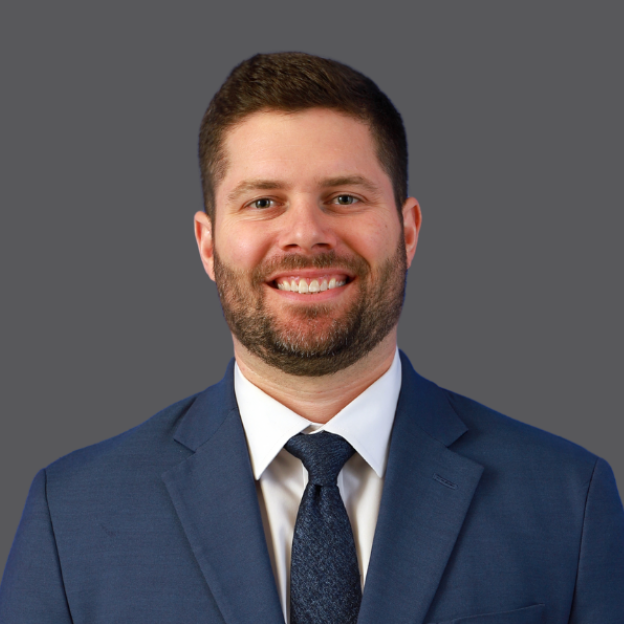
Michael B. Cannone, DO
Hip & Knee Reconstruction
Knock knees can affect both children and adults. If you’ve noticed knees angling inward or ankles that don’t touch when standing, you may be wondering whether it’s something that will resolve on its own or needs treatment.
At OrthoNeuro, our board-certified orthopedic specialists provide expert evaluation and personalized care for patients of all ages. With multiple convenient locations throughout Columbus, OH, our team is here to help you or your child achieve proper alignment, reduce pain, and improve mobility. Contact us today.
Knock knees, medically known as genu valgum, describe a condition in which a person’s legs angle inward so that the knees touch while the ankles remain separated when standing up.
Also called a knock knee deformity, this condition affects the overall bone structure of the lower limbs. In most cases, it affects both legs, but there are cases where it only affects one leg.
The condition is relatively common in children. Most children are bow-legged until they begin to walk, and by the time they’re 2 or 3, their legs start to angle inward, sometimes making them knock-kneed. They then straighten by the age of 7 or 8.
In some cases, the legs may never straighten and can even worsen over time.
The most noticeable sign of knock knees is a gap between the ankles when the knees are brought together. Other symptoms of knock knees are a result of the condition. Additional symptoms of knock knees include the following:
Several factors may cause knock knees or increase your likelihood of developing knock knees, including:
Identifying the underlying cause is critical to selecting the most effective treatment.
To evaluate knock knees, your orthopedic surgeon will perform the following diagnostic tests:
These steps help determine whether the condition is part of normal development or related to an underlying condition, and whether the deformity involves mild misalignment or more severe deformities.
The goal of treatment is to correct knock knees, relieve pain, and restore proper knee alignment. Your provider will create a personalized treatment plan based on the severity of the condition and your age.
For mild cases or younger patients, non-invasive care may include the following:
A licensed physical therapist can design exercises to:
Strengthening exercises help the bones grow in a healthier alignment in growing children and improve function in young adults and adults.
Exercises, such as wall squats, with feet shoulder-width apart, can help improve posture and balance.
For patients who are overweight, losing weight supports joint health. Even modest weight loss can significantly reduce pressure on the knee joint.
Braces or shoe inserts can help position the leg into a more correct position, especially if limb lengths are uneven.
Non-surgical treatment is often effective for children and older children whose growth plates are still open.
When conservative care fails, or in severe cases, surgery may be necessary.
In growing children, guided growth surgery involves placing a small plate on one side of the growth plate to gradually correct alignment as the child grows. Once the knees return to proper alignment, the hardware is removed.
For teens and adults whose growth plates have closed, osteotomy surgery may be recommended.
A distal femoral osteotomy reshapes and repositions the femur to improve knee alignment. This type of surgical correction is commonly used for more severe deformities and helps preserve the natural joint.
In some cases, a tibial osteotomy may be performed to adjust the tibia bone.
In advanced cases, particularly when arthritis has developed, a knee replacement may be the best option. This procedure replaces the damaged joint surfaces to restore alignment and eliminate chronic knee pain.
Yes. Although bracing is less effective once growth is complete, adults can still undergo successful surgical options such as osteotomy or knee replacement. Proper correction helps prevent further joint damage and relieves long-term pain.
Schedule an evaluation if:
Early evaluation prevents long-term complications and reduces the risk of severe deformities if left untreated.
Whether your child’s legs haven’t straightened as expected or you’re an adult experiencing persistent knee pain due to alignment issues, early evaluation can make a significant difference. The orthopedic knee specialists at OrthoNeuro offer comprehensive assessments and customized treatment plans designed to restore proper knee alignment and protect long-term joint health.
Don’t wait for symptoms to worsen. Contact us today to schedule an appointment at one of our locations throughout Greater Columbus.
References
https://www.medicalnewstoday.com/articles/319894#diagnosis
https://www.healthline.com/health/genu-valgum#outlook
https://www.hss.edu/health-library/conditions-and-treatments/list/knock-knee
https://pmc.ncbi.nlm.nih.gov/articles/PMC10491530/
https://www.hss.edu/health-library/conditions-and-treatments/high-tibial-osteotomy-knee-surgery
Related Services
Yes. In early childhood, inward angling of the legs is common. For most young children, the condition improves naturally as their bones grow.
“Knock knees” is the general term. A knock-kneed deformity usually refers to a more persistent or structural misalignment that may require medical treatment.
Yes. Low vitamin D and other nutritional deficiencies can weaken bone development and contribute to abnormal alignment.
Diagnosis includes a physical examination, gait assessment, and X-rays to assess alignment and bone structure.
Mild cases may improve with strengthening and guidance from a physical therapist, especially in growing children. However, severe cases may require surgical correction.

IF YOU HAVE A SEVERE KNEE INJURY OR CHRONIC KNEE PAIN THAT REDUCES YOUR MOBILITY OR QUALITY OF LIFE, CONTACT ORTHONEURO TO SCHEDULE A CONSULTATION. OUR EXPERT ORTHOPEDIC SURGEONS ARE ON HAND TO DIAGNOSE AND TREAT YOUR KNEE PROBLEM.
Hip & Knee Reconstruction

Orthopedic Surgeon / Sports Medicine

Hip & Knee Reconstruction
Hip and Knee Reconstruction

Hip & Knee Reconstruction

Orthopedic Surgeon / Sports Medicine

Orthopedic Surgeon / Sports Medicine

Hip & Knee Reconstruction

Orthopedic Surgeon / Sports Medicine

Orthopedic Surgeon / Sports Medicine
